

Emergency Dentist St. John's: What to Do Right Now
A dental emergency does not wait for a convenient moment. A broken tooth on a Saturday morning, a knocked-out tooth at your kid's hockey game, or a swollen jaw that woke you up at 3 a.m. all demand a fast, clear response. If you are searching for an emergency dentist in St. John's, you are likely already in pain or panic, and the last thing you need is a wall of vague advice. This guide tells you exactly what to do for the most common dental emergencies, what first-aid steps actually matter, and when calling Stavanger Dental at 397 Stavanger Drive is the right move.
Table of Contents
Quick Takeaways
Key Insight
Explanation
A knocked-out adult tooth has roughly a 60-minute window for re-implantation
The faster you act and the better you store the tooth, the higher the chance it can be saved. Time is the single biggest factor.
Store a knocked-out tooth in milk, not water
Milk preserves the root cells far better than water. Plain tap water actually damages the tooth's root cells and lowers the chance of successful re-implantation.
A dental abscess is a medical emergency, not just a toothache
Swelling that spreads to your jaw, neck, or floor of the mouth can be life-threatening. Do not wait it out.
Rinsing with warm salt water is the right first step for most dental pain
It clears debris, reduces inflammation, and buys time. Never place aspirin directly on the gum tissue - it can cause chemical burns.
Stavanger Dental offers emergency appointments for existing and new patients
You do not have to be an established patient to receive urgent dental care at Stavanger Dental in St. John's.
The Canadian Dental Care Plan covers emergency dental examinations with no preauthorization required
If you are eligible for the CDCP, you can access emergency dental exams at participating providers without waiting for approval.
Not every dental problem is a true emergency
A slightly chipped tooth with no pain can wait 24 to 48 hours. A lost crown with sharp edges, severe pain, or an abscess cannot.
What Counts as a Dental Emergency
The clearest definition of a dental emergency is any situation involving severe pain, uncontrolled bleeding, a knocked-out tooth, significant swelling, or a broken tooth that has exposed the inner pulp. These are not problems that can wait for a routine appointment slot next week.
Common situations that qualify as genuine dental emergencies include: a knocked-out permanent tooth, a badly cracked or fractured tooth, a dental abscess with facial swelling, severe toothache that does not respond to over-the-counter pain relief, a partially dislodged tooth, and significant soft-tissue injuries like a deep cut to the lip or tongue with bleeding that will not stop.
Situations that feel urgent but can usually wait 24 to 48 hours include a small chip with no pain, a lost filling with only mild sensitivity, and a broken wire from braces that is not causing injury. The distinction matters because calling Stavanger Dental for triage advice is always smart when you are unsure. The team can help you assess whether you need to come in immediately or whether managing it at home overnight is safe.
Pro tip: If you have any swelling spreading toward your jaw, throat, or the floor of your mouth, do not wait for a dental appointment at all. Go directly to an emergency room. An untreated dental abscess can progress to a serious systemic infection faster than most people expect.

Knocked-Out Tooth: The 60-Minute Window
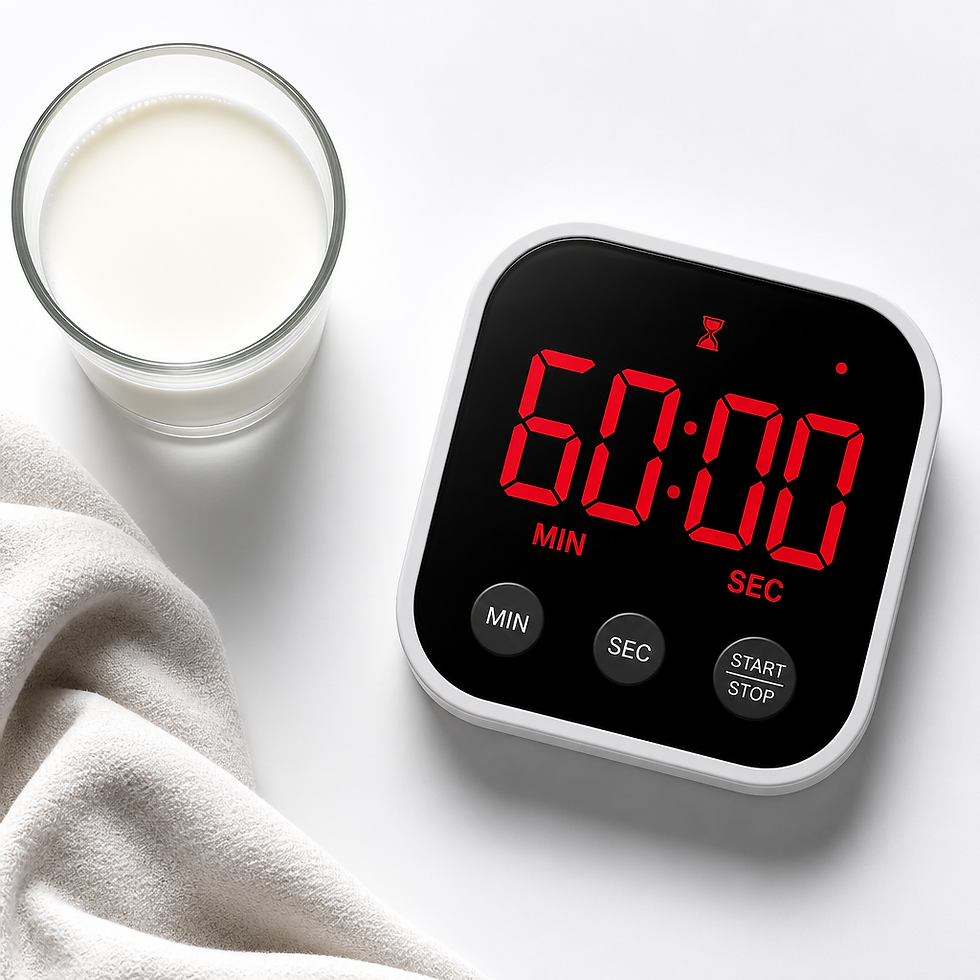
A knocked-out permanent tooth (avulsed tooth) is the dental emergency where the clock matters most. The goal is to get to a dentist within 60 minutes of the tooth being knocked out. After that window, re-implantation becomes increasingly unlikely to succeed.
Step-by-Step: What to Do Right Now
Pick the tooth up by the crown (the white part you chew with), never by the root. Touching the root damages the cells that make re-implantation possible.
If the tooth is dirty, rinse it gently under clean water for no more than 10 seconds. Do not scrub it.
If possible, gently reinsert the tooth into its socket and hold it there with light finger pressure or by biting down softly on a clean cloth.
If you cannot reinsert it, place it in a small container of cold milk. Milk is the preferred storage medium because it preserves the root cells far better than water. Alternatively, you can keep it moist by holding it gently between your cheek and gum.
Call Stavanger Dental immediately and head to the clinic. If it is outside office hours, proceed to the nearest emergency facility.
One important distinction: baby teeth should not be reimplanted. If a child knocks out a primary tooth, manage any bleeding, keep the child calm, and bring them in for an assessment to make sure no damage has been done to the developing permanent tooth underneath.
Pro tip: Keep a dental first-aid kit at home that includes a small sealable container. If a tooth gets knocked out during a weekend soccer game, you will not be scrambling for a container in a panic.
Broken Tooth in St. John's: What to Do First
A broken tooth in St. John's can range from a minor cosmetic chip to a severe fracture that exposes the nerve. The severity determines how urgently you need to act.
Minor Chip vs. Major Fracture
A small chip that does not cause pain and has no sharp edges is not an after-hours emergency. Rinse your mouth with warm water, apply a cold compress to the outside of your face if there is any swelling, and call Stavanger Dental the next business morning to book a same-day or next-day appointment.
A major crack or fracture is a different situation entirely. If the break is deep enough to expose the inner pulp (you may see a pinkish area or experience intense sensitivity to temperature and pressure), you need urgent dental care. Rinse gently with warm water, do not eat on that side, and call the clinic immediately. If a piece of the tooth has broken off, save it and bring it with you.
What Not to Do
Do not apply aspirin directly to the gum or broken tooth in an attempt to numb the pain. Aspirin is acidic and will cause a chemical burn to the soft tissue. Over-the-counter analgesics taken orally are fine. Dental wax or temporary filling material from a pharmacy can cover sharp edges until you are seen.

Severe Dental Pain and Abscess
Severe dental pain in St. John's that is not relieved by over-the-counter medication, especially pain that is throbbing, radiates to the jaw or ear, and is accompanied by fever or swelling, is almost always a sign of infection. A dental abscess is a pocket of pus caused by a bacterial infection at the root of a tooth or in the surrounding gum tissue.
Do not delay calling Stavanger Dental when these signs are present. A dental abscess will not resolve on its own. It will worsen, and in serious cases the infection can spread to the jaw, neck, or beyond.
A dental abscess is not just a toothache. It is an active infection, and infections spread. Treating it as anything less than urgent is a mistake that patients sometimes regret.
In the meantime, rinsing with warm salt water every few hours can provide mild relief and help draw out some of the inflammation. Take any over-the-counter pain reliever according to the package directions. Apply a cold compress to the outside of your face to manage swelling. None of these steps treat the infection, but they reduce discomfort while you arrange to be seen.
Lost Filling, Crown, or Restoration
Losing a filling or crown rarely qualifies as a life-threatening emergency, but it does expose sensitive tooth structure and can worsen quickly if left alone. The exposed dentin and, in some cases, the pulp become vulnerable to temperature, pressure, and bacteria.
If a crown falls out, try to keep it. Many crowns can be recemented without making a new one, especially if you come in quickly. Do not try to glue it back yourself with household adhesive. Temporary dental cement (available at most pharmacies in St. John's) can protect the tooth until your appointment. If the exposed tooth is causing pain, cover it with the temporary cement or dental wax.
When a filling falls out, the same principle applies: cover the cavity with over-the-counter temporary filling material, avoid chewing on that side, and call Stavanger Dental to book an urgent appointment. The sooner the tooth is restored, the less likely you are to need a more extensive procedure.
Dental Emergencies vs. Urgent Care: Know the Difference
A common question in St. John's is whether to call a dentist or go directly to an urgent care centre or emergency room. The answer depends on what is happening.
Situation
Best First Action
Where to Go
Knocked-out permanent tooth
Store tooth in milk, call dentist immediately
Stavanger Dental (or ER if office is closed)
Dental abscess with jaw/neck swelling
Do not wait, assess airway
Emergency room first, then follow up with dentist
Broken tooth with exposed nerve
Rinse, cover with dental wax, call dentist
Stavanger Dental for same-day urgent appointment
Severe toothache with fever
Rinse with warm salt water, take pain reliever
Stavanger Dental same day; ER if swelling spreads
Lost filling or crown (no severe pain)
Use temporary dental cement from pharmacy
Stavanger Dental within 24 to 48 hours
Bleeding soft tissue (lip, tongue) that stops with pressure
Apply firm pressure with clean cloth for 15 minutes
Stavanger Dental if dental injury is involved; ER if bleeding will not stop
Emergency rooms in St. John's can manage the systemic side of dental infections (IV antibiotics, airway concerns) but they do not have the equipment to perform dental procedures. An ER visit for a toothache will typically result in a prescription and a referral back to a dentist. This means for most dental emergencies, calling Stavanger Dental directly is both faster and more effective.
What to Expect at Stavanger Dental During an Emergency Visit
Stavanger Dental is located at 397 Stavanger Drive in St. John's and offers emergency appointments for patients of all ages, including new patients who have never visited before. You do not need to be an existing patient to call for urgent care.
When you arrive for a dental emergency, the team will triage your situation quickly. For pain emergencies, that typically means taking a targeted X-ray to identify the source of the problem, followed by a treatment plan discussion. For a knocked-out tooth, the clinic will assess whether re-implantation or another restorative approach makes most sense given the condition of the tooth and socket.
Stavanger Dental also offers sedation options for patients who are anxious about emergency dental treatment. This matters more than most people acknowledge. Dental anxiety is real, and an emergency visit is stressful under any circumstances. Knowing that sedation is available often makes the decision to call much easier.
If your emergency ultimately requires a restorative solution, such as a dental crown, implant, or bridge after a tooth cannot be saved, Stavanger Dental handles those procedures in-house. Patients do not need to be referred elsewhere for most restorative care.
The Canadian Dental Care Plan and Emergency Coverage
If you are enrolled in the Canadian Dental Care Plan (CDCP), there is important information to know before you come in. Emergency dental examinations under the CDCP have no limitations, and almost all emergency dental services do not require preauthorization. This means that if you are eligible and Stavanger Dental participates as a provider, you can access urgent care without waiting for approval from the plan.
The CDCP is available to eligible Canadians in households with qualifying income levels who do not have access to dental insurance through an employer. If you are unsure whether you qualify or whether a specific emergency procedure is covered, call Stavanger Dental's team before your visit. They can walk you through what the plan covers and what to expect in terms of out-of-pocket costs, so there are no surprises.
Not knowing your coverage should never be the reason you delay emergency dental care. A quick phone call to the clinic before you arrive takes that uncertainty off the table.
Frequently Asked Questions
What should I do if I have a dental emergency after hours in St. John's?
Call Stavanger Dental's main number first, even after hours, and check their current after-hours guidance. If you have a life-threatening situation such as severe swelling affecting your airway or uncontrolled bleeding, go directly to the nearest emergency room. For other urgent situations such as a knocked-out tooth, get there as fast as possible and store the tooth in milk while you travel.
Can a knocked-out tooth really be saved?
Yes, in many cases an adult tooth can be re-implanted successfully if you act quickly. The survival of the root cells depends on how the tooth is stored (cold milk is the best readily available option) and how fast you reach a dentist. The general window is around 60 minutes from the injury, with better outcomes the sooner you arrive. Baby teeth are not re-implanted because doing so can damage the developing permanent tooth beneath.
Is a toothache always a dental emergency?
Not always. Mild tooth sensitivity that comes and goes is not necessarily an emergency. A severe, persistent throbbing toothache, especially one combined with swelling, fever, or a bad taste in the mouth, is a sign of infection and should be treated urgently. If over-the-counter pain relief is not making a dent, call Stavanger Dental the same day.
Do I need to be an existing patient to get emergency dental care at Stavanger Dental?
No. Stavanger Dental welcomes new patients for emergency appointments. You do not need to have visited before to receive urgent dental care. When you call, let the team know you are a new patient with an emergency and they will prioritize accordingly.
What is the difference between urgent dental care and a dental emergency?
A dental emergency involves immediate risk of losing a tooth, severe infection, significant trauma, or uncontrolled bleeding. Urgent dental care covers situations that need attention soon, within 24 to 48 hours, but are not immediately life-threatening, such as a lost crown, a broken wire, or a lost filling with mild sensitivity. When in doubt, call Stavanger Dental and describe your symptoms. The team can help you decide how quickly you need to come in.
Does the Canadian Dental Care Plan cover dental emergencies?
Yes. Emergency dental examinations under the Canadian Dental Care Plan have no limitations, and most emergency services do not require preauthorization. If you are eligible for the CDCP, you can access emergency dental care at participating providers without waiting for plan approval. Contact Stavanger Dental to confirm their current CDCP participation status and what is covered under your specific plan.
If you have recently dealt with a dental emergency in St. John's, or if you have a question about a situation that is not covered here, leave a comment below and let us know what would help.
We would love your feedback and any insights you would share with others. What perspective would you add?



Comments