

Oral Health and Overall Health: What St. John's Patients Must Know
- 1 day ago
- 10 min read
Most people think of a dental appointment as something separate from their general health checkup. That assumption is wrong, and the consequences can be serious. Research published by the Canadian Dental Association shows that untreated gum disease is independently associated with increased risk of heart disease, diabetes complications, and preterm birth. For families in St. John's managing busy lives and limited healthcare time, understanding the oral health overall health St. John's connection is not optional reading. It is the kind of information that changes how you prioritize your next dental visit.
Table of Contents
Quick Takeaways
Key Insight
Explanation
Gum disease raises cardiovascular risk
Oral bacteria from periodontitis can enter the bloodstream and contribute to arterial inflammation, a known driver of heart disease.
Diabetes and oral health have a two-way relationship
High blood sugar worsens gum disease severity, and active gum disease makes blood sugar harder to control.
Pregnant patients face elevated risks from poor dental health NL
Periodontal disease is linked to preterm birth and low birth weight, making dental visits during pregnancy medically important.
Chronic inflammation starts in the mouth
Untreated oral infections send inflammatory signals throughout the body, affecting joints, kidneys, and cognitive function over time.
Routine cleanings do more than clean teeth
Professional scaling removes biofilm that brushing misses, reducing systemic bacterial load and protecting overall organ health.
The Canadian Dental Care Plan now removes cost barriers
Eligible Canadians in St. John's can access preventive dental care through the federal plan, reducing the excuse to delay treatment.
A systemic health dentist identifies warning signs early
Dentists trained to look at the full picture often spot signs of conditions like acid reflux, sleep apnea, and nutritional deficiencies before a physician does.
The Mouth-Body Connection Explained
The mouth is not a sealed compartment. It is a gateway, and what happens inside it has measurable effects on nearly every other system in your body. The oral cavity contains over 700 species of bacteria, most of them harmless when kept in balance. When that balance is disrupted by poor hygiene, diet, or untreated decay, harmful bacterial species multiply and the consequences spread far beyond the gumline.
The primary mechanism is simple: oral bacteria and the inflammatory compounds they trigger can enter the bloodstream through inflamed or ulcerated gum tissue. Once circulating, they interact with the immune system, blood vessel walls, and major organs. This is not a theory. It is a well-documented pathway confirmed by decades of epidemiological data from institutions including the Harvard T.H. Chan School of Public Health.
In practice, what this means for Stavanger Dental patients is that your dental appointment is also a systemic health checkpoint. A dentist who examines your gums, checks for signs of oral inflammation, and reviews your medical history is doing more than assessing teeth. They are looking at a snapshot of your overall health status.


Pro tip: When you book your next appointment at Stavanger Dental, bring a list of any medications you are currently taking. Many common drugs, including antihistamines, antidepressants, and blood pressure medications, cause dry mouth, which dramatically accelerates tooth decay and gum disease progression.
Gum Disease and Systemic Conditions: What the Data Shows
Periodontal disease affects approximately 70 percent of Canadian adults at some point in their lives, according to the Canadian Dental Association. In Newfoundland and Labrador, where diet patterns historically include higher sugar and processed food consumption, the prevalence of dental health NL issues including gum disease is a real concern that local practices like Stavanger Dental see reflected in their patient population.
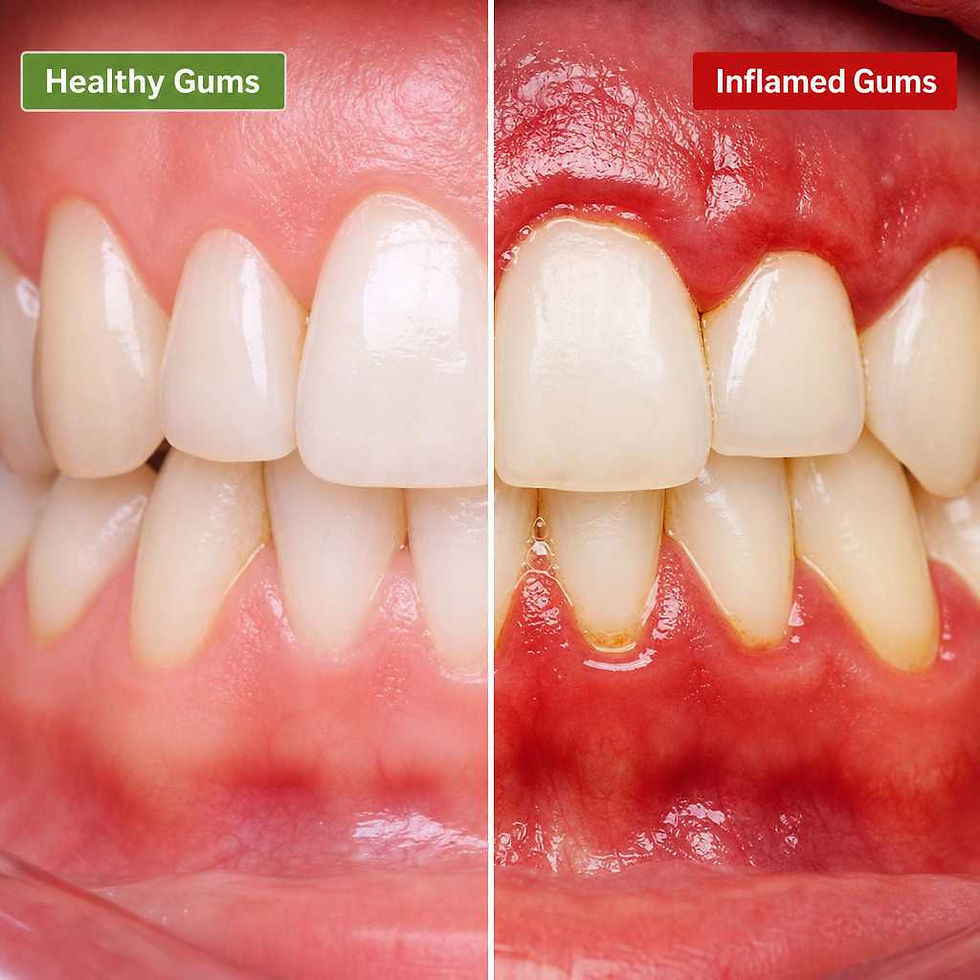
Gum disease exists on a spectrum. Gingivitis is the early stage, characterized by bleeding and swollen gums. It is fully reversible with professional cleaning and improved home care. Periodontitis is the advanced stage, where infection destroys the bone and connective tissue supporting teeth. At this stage, systemic effects become clinically significant.
What Untreated Periodontitis Does Beyond the Mouth
The data consistently shows associations between periodontitis and rheumatoid arthritis, chronic kidney disease, Alzheimer's disease, and certain respiratory conditions. The journal Nature Reviews Microbiology has documented how Porphyromonas gingivalis, a key periodontal pathogen, can migrate to the brain and contribute to neuroinflammation. This is not alarmist speculation. It is a documented biological pathway.
A common mistake patients make is assuming that if their teeth do not hurt, their gums are fine. Periodontitis is often painless until it reaches advanced stages. Bleeding when brushing is not normal, and dismissing it as routine is how mild gingivitis becomes destructive periodontitis over months and years.
"The relationship between periodontal disease and systemic health is no longer a hypothesis. It is a clinical reality that every primary care provider, not just dentists, should be communicating to patients." - Dr. Robert Genco, Periodontal Disease Research, State University of New York at Buffalo
Diabetes and Dental Health in Newfoundland
Newfoundland and Labrador has one of the highest rates of type 2 diabetes in Canada, according to Statistics Canada. That fact has a direct dental health NL implication that many patients in St. John's are not aware of.
The relationship between diabetes and gum disease is genuinely bidirectional. High blood glucose levels reduce the body's ability to fight infection, making diabetic patients roughly three times more likely to develop severe gum disease than non-diabetic individuals. At the same time, the chronic infection and inflammation of active gum disease interfere with insulin function, making blood sugar control measurably harder.
Managing Diabetes Starts with Managing Your Gums
Studies published in the Journal of Periodontology show that treating periodontitis in diabetic patients leads to statistically significant improvements in HbA1c levels, the primary marker of long-term blood sugar control. In practical terms, this means a dental cleaning and periodontal treatment program can function as part of a diabetes management plan, not just a cosmetic concern.
Stavanger Dental patients with a diabetes diagnosis should specifically mention it at every appointment. The clinical picture changes: more frequent monitoring of gum tissue, adjusted care protocols, and coordination with your physician when necessary. This is the kind of integrated approach that separates a thorough family dental practice from one that only looks at teeth in isolation.
Pro tip: If you have type 2 diabetes, schedule your dental cleanings every three to four months rather than the standard six-month interval. The evidence supporting more frequent professional care for diabetic patients is strong, and it is a simple adjustment that produces measurable results.

Heart Disease and Oral Bacteria: A Direct Pathway
Heart disease is the leading cause of death in Canada. The connection between oral bacteria and cardiovascular disease is one of the most studied areas in the oral-systemic health field, and the findings are consistent: people with moderate to severe gum disease have a statistically elevated risk of heart attack and stroke compared to people with healthy gums.
The mechanism involves two pathways. First, oral bacteria like Streptococcus sanguis and Porphyromonas gingivalis have been found inside arterial plaques and in heart valve tissue in patients with endocarditis. Second, the body-wide inflammatory response triggered by gum disease raises C-reactive protein levels, a marker that independently predicts cardiovascular events.
What This Means for Patients on Blood Thinners or with Heart Conditions
Patients with existing heart conditions must proactively communicate their cardiac history to their dentist. Certain procedures require antibiotic prophylaxis before dental work. Blood thinners affect how gum tissue bleeds and heals. These are not minor administrative details. They are clinical decisions that protect patient safety.
At Stavanger Dental, every patient intake process includes a thorough medical history review. If you have had a heart procedure, have a pacemaker, or take blood thinners like warfarin or rivaroxaban, say so. This is how a systemic health dentist approach works in practice: not just treating teeth, but treating the whole person sitting in the chair.
Pregnancy and Oral Health: Risks NL Families Need to Understand
Pregnancy causes significant hormonal changes that directly affect the gums. Elevated progesterone and estrogen levels make gum tissue more reactive to plaque, leading to a condition called pregnancy gingivitis in up to 75 percent of pregnant women. Left untreated, this can progress to periodontitis with serious consequences for both mother and baby.
The research is clear on outcomes. The American Academy of Periodontology has documented that pregnant women with periodontitis are significantly more likely to deliver preterm or have low birth weight infants. The prostaglandins produced by infected gum tissue can trigger uterine contractions, which is a biological mechanism that is well established in the literature.
Addressing the Myth That Dental Treatment Is Unsafe During Pregnancy
A common and genuinely harmful myth is that dental treatment should be avoided during pregnancy. The opposite is true. Preventive care, including cleanings and addressing active infections, is safe during pregnancy and is actively recommended by obstetricians and dental associations alike. The second trimester is generally the most comfortable window for non-emergency treatment.
Families in St. John's expecting a new addition should schedule a dental appointment early in the pregnancy, not wait until after delivery. The risks of untreated oral infection during pregnancy are significantly greater than any risks associated with routine dental care under appropriate precautions.
Preventive Care as Systemic Protection
The most actionable takeaway from everything above is this: preventive dental care is not just about avoiding cavities. It is a legitimate tool for reducing your risk of serious systemic disease. The cost of two professional cleanings per year is trivial compared to the downstream costs of managing heart disease, uncontrolled diabetes, or a preterm delivery.
Stavanger Dental's preventive services, including comprehensive exams, professional scaling, and patient education on home care technique, function as a first line of defence against systemic inflammation. The practice also accepts the Canadian Dental Care Plan, which means eligible patients in St. John's no longer have a financial barrier to accessing this care regularly.
What Effective Home Care Actually Looks Like
Brushing twice daily with fluoride toothpaste is the baseline. Flossing once daily is not optional for patients who want to protect systemic health, because flossing is the only tool that removes plaque from the surfaces between teeth where gum disease most often begins. An antiseptic mouthwash can supplement but never replace mechanical removal of plaque.
The data consistently shows that patients who combine professional care with disciplined daily home routines have dramatically lower rates of periodontitis than those who rely on professional cleaning alone. The two work together. Neither substitutes for the other.
Comparing Approaches to Managing Oral-Systemic Health
Approach
What It Involves
Effectiveness for Systemic Health Protection
Reactive dental care (visit only when in pain)
Waiting for symptoms before seeking treatment, typically emergency extractions or fillings for advanced decay
Poor. Systemic damage from chronic gum disease accumulates over years of untreated infection before pain becomes the trigger.
Standard preventive care (six-month cleanings and exams)
Professional scaling twice yearly, routine radiographs, and home brushing and flossing
Good for most healthy adults. Reduces bacterial load, catches early-stage gum disease, and allows monitoring of systemic risk markers.
Integrated systemic health dental care (at practices like Stavanger Dental)
Medical history review at every visit, adjusted cleaning frequency for high-risk patients, coordination with physicians for diabetic and cardiac patients, early identification of systemic warning signs
Best. Addresses oral health as part of total health management, reduces systemic inflammation more effectively, and ensures treatment decisions account for the full patient picture.
Frequently Asked Questions
Can my dentist really tell if I have an underlying health problem?
Yes, and this happens more often than most patients expect. Dentists regularly identify signs of acid reflux through erosion patterns on tooth enamel, spot potential sleep apnea indicators from jaw position and throat anatomy, detect nutritional deficiencies from changes in oral tissue, and identify uncontrolled diabetes from recurring oral infections. The mouth reflects systemic health in ways that a thorough dental exam can surface before a physician visit does.
Is gum disease treatment covered under the Canadian Dental Care Plan?
The Canadian Dental Care Plan covers a range of preventive and diagnostic services for eligible Canadians. Coverage specifics for periodontal treatment depend on your eligibility tier and the services required. Stavanger Dental accepts the Canadian Dental Care Plan, so the best step is to contact the practice directly to confirm what your specific coverage includes for gum disease treatment.
How often should someone with diabetes visit the dentist?
Most periodontists and the clinical literature support a three to four month recall schedule for patients with active or poorly controlled diabetes, rather than the standard six-month interval. This more frequent monitoring allows earlier detection of gum changes driven by blood sugar fluctuations and reduces the time active infection has to affect systemic health.
Is it safe to have dental X-rays during pregnancy?
Yes, when necessary. Modern digital dental X-rays emit extremely low radiation, and with a lead apron and thyroid collar, exposure to the fetus is negligible. Avoiding necessary diagnostic imaging during pregnancy poses a greater clinical risk than the X-ray itself, because undetected infections can have serious consequences for both mother and baby. Always inform your dentist that you are pregnant so appropriate precautions are taken.
What is the single most impactful thing I can do at home to protect my systemic health through oral care?
Floss every day. Not because it is the only thing that matters, but because it is the most consistently skipped part of home care and the single habit change with the highest return on systemic health protection. Interdental plaque removal is where gum disease starts, and it is the gap that professional cleanings alone cannot fully compensate for between appointments.
Do cosmetic dental treatments like whitening or veneers affect systemic health?
Professional cosmetic treatments performed on a healthy foundation do not negatively affect systemic health. In fact, addressing structural dental issues before or alongside cosmetic treatment often improves oral health status overall. Where problems arise is when patients pursue cosmetic work while ignoring active gum disease or decay, essentially decorating a compromised foundation. Stavanger Dental conducts a full health assessment before any cosmetic treatment to ensure the underlying environment is sound.
Have you or a family member noticed a connection between a dental issue and a broader health condition? Share your experience in the comments below, because these stories help other patients in St. John's take the oral-systemic health link seriously.


Comments