

Oral Health Summer Tips: Stay Cavity-Free on Vacation
- Jul 13
- 10 min read
Summer vacation in Newfoundland means camping at Pippy Park, beach days at Middle Cove, and road trips across the Avalon Peninsula. What it should not mean is coming home with three new cavities. The data consistently shows that cavity rates spike in children and adults after summer breaks, largely because routines collapse the moment luggage hits the car. If you are serious about protecting your teeth between now and your next appointment with your dentist in St. John's, NL, these oral health summer tips are not optional reading.
Table of Contents
Quick Takeaways
Key Insight
Explanation
Sugary drinks are the number one summer cavity driver
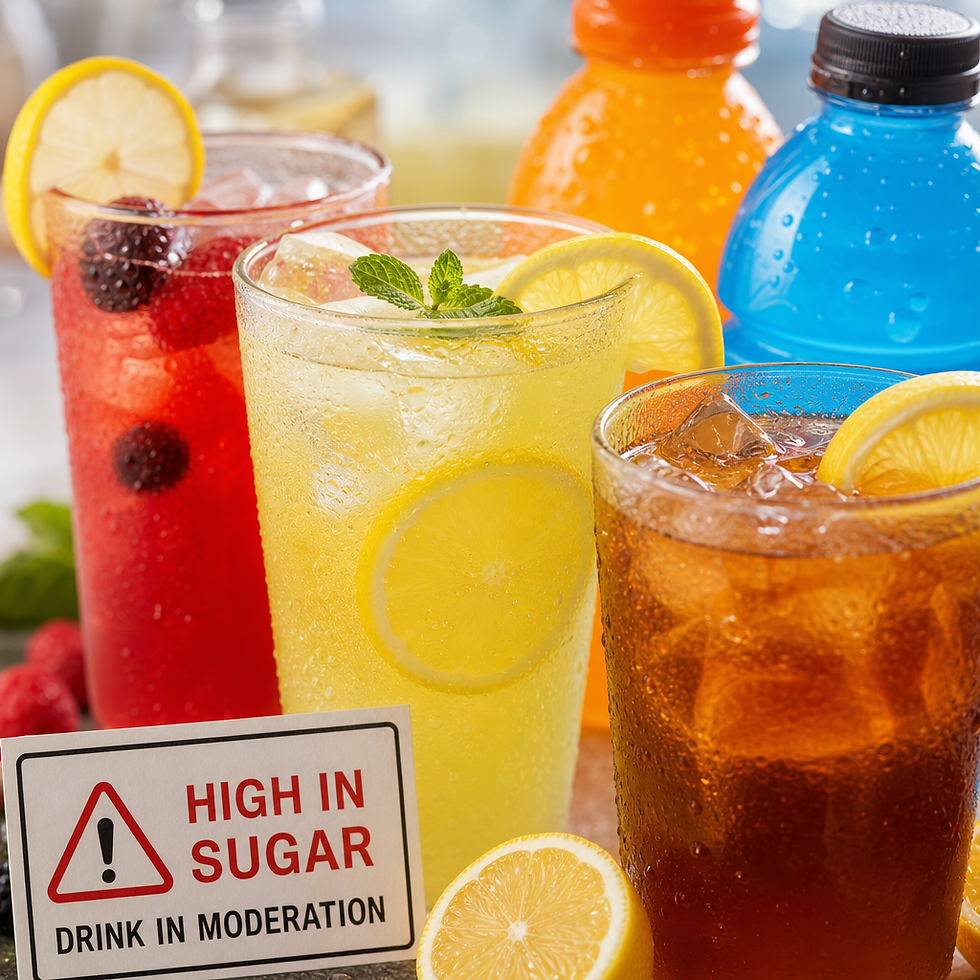
Lemonade, iced tea, sports drinks, and slushies coat teeth in fermentable sugars for hours if you are sipping continuously throughout the day.
Routine collapse is predictable and preventable
Without school-day structure, children and adults skip brushing at night. Setting a consistent brushing alarm on your phone eliminates this problem immediately.
Fluoride toothpaste is non-negotiable on vacation
Generic or travel-sized toothpastes sometimes lack fluoride. Check the label before you pack. Fluoride is your primary chemical defence against cavity-causing bacteria.
Mouthguards are essential for summer contact sports
A custom-fitted mouthguard from your dentist absorbs impact up to 60 times better than a boil-and-bite store version, according to the Canadian Dental Association.
Dehydration reduces saliva production significantly
Saliva neutralizes acid and remineralizes enamel. Hot summer days increase dehydration risk, which directly increases your cavity risk.
Pre-vacation cleanings catch hidden problems early
A professional cleaning before a long trip removes hardened tartar that brushing cannot address and flags any developing issues before they become emergencies away from home.
Xylitol gum is a practical on-the-go cavity prevention tool
Chewing xylitol-sweetened gum for 20 minutes after meals when brushing is impossible stimulates saliva and disrupts cavity-causing bacteria like Streptococcus mutans.
Why Summer Destroys Dental Routines
In practice, the patients who come into Stavanger Dental with the most summer-related decay are not the ones who stopped caring. They are the ones who got busy. Late nights, irregular meals, and constant snacking on vacation foods chip away at even the most disciplined routines.
A common mistake is assuming that brushing once a day is fine on vacation because you are eating "less" than normal. The reality is the opposite. Vacation eating typically involves more frequent snacking, more sugar, and more acidic beverages than a regular weekday. That combination gives Streptococcus mutans, the primary cavity-causing bacterium, far more fuel than usual.
The Canadian Dental Association reports that dental caries (cavities) remain the most common chronic disease in Canadian children, and summer is consistently a high-risk season. Lack of routine is the single biggest contributing factor, not genetics and not fluoride levels in the water supply.


The Worst Summer Foods for Your Teeth
Not all summer treats are equally damaging. Some are genuinely problematic and worth limiting. Others get unfair blame. Here is a direct breakdown of what matters most.
Continuous Sipping Is Worse Than a Single Sweet Treat
A slushie finished in ten minutes gives your saliva a chance to neutralize the acid and begin remineralizing enamel. A large iced tea sipped over two hours at the beach keeps your mouth in a constant acidic state. The duration of sugar exposure matters far more than the total sugar amount. This is why dentists consistently flag sports drinks and juice boxes as high-risk: children carry them around all day.
Sticky candies like gummy bears and taffy are also significantly more damaging than chocolate. Chocolate dissolves and clears quickly. Gummy candy sticks in the grooves of molars for 20 minutes or longer after eating, giving bacteria a sustained food source right at the enamel surface.
Acidic Foods That Soften Enamel Before Bacteria Do the Damage
Citrus fruits, pickles, vinegar-based salad dressings, and carbonated water all lower the pH in your mouth below 5.5, the threshold at which enamel begins to soften. Erosion from acid is not the same as a cavity, but it weakens the surface and makes teeth far more vulnerable to bacterial decay immediately afterward.
The practical rule: rinse with plain water after acidic foods and wait at least 30 minutes before brushing. Brushing immediately after acid exposure scrubs softened enamel away faster than bacteria would.
Pro tip: Offer water as the default drink between meals on vacation rather than juice or flavoured beverages. This single habit reduces your family's daily sugar exposure to teeth by more than any other dietary change you can make.
Cavity Prevention Strategies That Actually Work
Cavity prevention is not complicated. The gap between knowing what to do and consistently doing it is where most people lose ground during summer. These strategies are ranked by impact, not by ease.
Brush Twice Daily with Fluoride Toothpaste, No Exceptions
This sounds obvious, but the execution collapses in summer. Set a phone alarm for 9:00 PM if that is your target brushing time at home, and keep it set even when you are in a hotel in Grand Falls or on a campsite in Terra Nova National Park. Fluoride toothpaste is your first line of defence. It works by remineralizing weakened enamel and making the tooth surface less hospitable to acid-producing bacteria.
Children under six need only a rice-grain-sized amount of fluoride toothpaste. Children six and older use a pea-sized amount. Adults should brush for a full two minutes. These are not suggestions. They are the clinical minimums for cavity prevention to actually work.
Floss Once a Day, Even on Vacation
Flossing removes food and plaque from the proximal surfaces between teeth, where 40 percent of cavities form. A toothbrush physically cannot reach these areas. Floss picks travel well and remove the barrier of managing regular floss while camping or in a cramped hotel bathroom. Skipping flossing for two weeks means 14 days of plaque accumulation between teeth. That is enough time for early-stage decay to progress.
Sealants for Children Before Summer Activities Begin
Dental sealants are thin resin coatings applied to the chewing surfaces of back molars. They physically block bacteria and food from settling into the deep grooves where most childhood cavities begin. The Canadian Dental Association recognizes sealants as one of the most cost-effective preventive treatments available. If your child has not had sealants applied, a pre-summer appointment at Stavanger Dental is the right time to address this.
Packing Your Dental Travel Kit
A proper dental travel kit eliminates the excuses that lead to skipped brushing sessions on the road. This is not about overpacking. It is about making the right choices obvious and easy.
Your kit should include a soft-bristled toothbrush with a ventilated travel cap, fluoride toothpaste (check that it contains at least 1000 ppm fluoride for adults), floss or floss picks, a travel-sized fluoride mouthwash, and xylitol gum. If any family member wears a retainer or night guard, it comes too. Forgetting an appliance for two weeks can mean months of treatment time lost when you return.
"The best dental tool is the one you actually have with you. A compact kit you use every day on vacation beats an elaborate routine that stays home." - Canadian Dental Association guidance on travel oral hygiene
For families traveling with young children, pack a child-specific toothbrush and toothpaste separately from the adult kit so there is no confusion or sharing. Cross-contamination of toothbrushes between family members transfers bacteria, including cavity-causing strains, between mouths.
Pro tip: Tuck your dental kit into the same bag as your morning toiletries, not in checked luggage or a separate case. Accessibility drives compliance. If you have to dig for your toothbrush, you are more likely to skip it.
Hydration and Saliva: Your Hidden Defence
Saliva is one of the most underappreciated tools in cavity prevention. It contains antibacterial proteins, calcium, and phosphate that actively remineralize enamel and buffer acid produced by bacteria. When you are dehydrated, saliva production drops, and your mouth's natural defence system becomes significantly less effective.
Summer activities in Newfoundland, whether hiking the East Coast Trail, playing pickup soccer, or spending long days at the beach, increase fluid loss through sweat and respiration. Health Canada recommends a minimum of 1.5 to 2 litres of water per day for adults, more during physical activity in warm weather. For dental health specifically, water is preferred over juice or sports drinks because it does not introduce sugar or acid while it rehydrates.
Dry mouth, clinically called xerostomia, is also a side effect of several medications commonly taken year-round, including antihistamines that many patients increase during summer allergy season. If you or a family member takes antihistamines regularly, ask your dentist about saliva substitutes or rinses that compensate for reduced natural saliva.
Summer Sports and Dental Injuries
Dental emergencies do not pause for vacation. Summer brings a sharp increase in sports-related dental injuries, particularly in teenagers and young adults. Hockey, soccer, cycling, and recreational sports without proper protection account for a significant portion of the dental trauma cases seen by emergency dentists each year.
A custom-fitted mouthguard made by your dentist is not the same product as a boil-and-bite version from a sporting goods store. Custom guards are fabricated from a precise impression of your teeth and provide a level of retention and shock absorption that generic guards cannot match. If your child plays any contact sport this summer, a custom mouthguard is the single most effective protective investment you can make before the season starts.
For cycling and skateboarding, helmets with full-face shields protect both the jaw and teeth. A lip laceration from a handlebar is painful, but a knocked-out permanent tooth is a lifelong restorative challenge. Stavanger Dental offers emergency dental appointments for trauma cases, but prevention is always the better path.
Comparison of Common Summer Dental Habits
Habit
Cavity Risk Level
Better Alternative
Sipping sports drinks all day at the beach
Very High: constant acid and sugar exposure, minimal saliva recovery time
Drink water throughout the day, reserve sports drinks for post-exercise only and rinse with water immediately after
Skipping night brushing because you fell asleep early
High: overnight bacterial activity is highest when no brushing or saliva production occurs during sleep
Set a nightly alarm, brush before getting horizontal, not after you are already in bed
Chewing xylitol gum after meals when brushing is not possible
Low: xylitol actively disrupts Streptococcus mutans and stimulates saliva production
This IS the better alternative for post-meal oral hygiene on the go
When to Book a Summer Dental Appointment
The optimal time for a pre-vacation cleaning is four to six weeks before you leave. This gives enough time to address any findings from the exam before you go, whether that is a filling that needs attention or a sealant application for a child. Waiting until the week before you leave eliminates that buffer entirely.
A post-summer appointment in late August or September is equally important. Children especially benefit from a back-to-school cleaning that catches any summer-related decay before it advances further during the school year. Stavanger Dental welcomes new patients and accepts the Canadian Dental Care Plan, which makes preventive visits accessible to many families who might otherwise delay care due to cost.
If a dental emergency does occur while you are traveling within Newfoundland and Labrador, contact Stavanger Dental directly. For same-day emergency access, having your dental office's number saved in your phone before you leave is a habit worth forming. A toothache that begins on a Friday evening in a remote area is a very different problem when you have a contact ready than when you are searching cold.
Parents of children in the 6-to-12 age range should also use summer to assess orthodontic needs. This is often the ideal window for early orthodontic intervention. Stavanger Dental offers Invisalign consultations as part of its comprehensive family services, and summer schedules often make it easier for kids to attend appointments without missing school.
Frequently Asked Questions
How often should my child see the dentist during summer?
Children should maintain their regular six-month recall schedule regardless of season. If your child is due for a cleaning during summer, do not postpone it until fall. Summer decay caught in July is far easier and less expensive to treat than decay that has progressed through September. Stavanger Dental accommodates family appointments so multiple children and parents can be seen on the same visit.
Is it safe to use whitening products while on vacation?
Over-the-counter whitening strips and trays are generally safe for short-term use, but they increase tooth sensitivity, which can be aggravated by cold summer foods and beverages. If you have existing sensitivity or any open cavities, avoid whitening products until those issues are resolved. Professional whitening at a dental office is more controlled and less likely to cause prolonged sensitivity than continuous at-home use of high-concentration strips.
What should I do if a filling falls out while I am traveling?
Cover the tooth with dental cement from a pharmacy if available, avoid chewing on that side, and contact a dentist as soon as possible. A lost filling is not a cosmetic issue. The exposed tooth structure is vulnerable to decay and thermal sensitivity, and a missing filling can affect adjacent and opposing teeth over time. Contact Stavanger Dental to arrange an emergency appointment when you return to St. John's, or sooner if pain develops.
Are frozen treats like popsicles and ice cream bad for teeth?
Sugar-containing frozen treats are a cavity risk, but the manner of consumption matters. Eating a popsicle quickly and rinsing with water afterward is far less damaging than slowly sucking on it for 30 minutes. Sugar-free popsicles made from blended fruit still contain natural acids, so rinsing after eating remains good practice. The worst option is a popsicle or freezie that is carried around and licked periodically over an extended period.
How do I handle a knocked-out tooth if it happens during summer activities?
Pick up the tooth by the crown, not the root. Do not scrub it. If the tooth is dirty, rinse it briefly with clean water but do not dry it or wrap it in tissue. Place it back in the socket if possible, or keep it moist in a container of milk or the injured person's saliva. Get to an emergency dentist within 30 to 60 minutes. Speed is the primary factor determining whether a knocked-out permanent tooth can be successfully reimplanted. Stavanger Dental offers emergency dental appointments for exactly this type of situation.
Can dehydration really cause cavities?
Dehydration does not cause cavities directly, but it creates the conditions for them. When saliva production drops due to insufficient fluid intake, the mouth loses its primary natural defence against acid and bacterial overgrowth. Sustained periods of dry mouth, even if temporary, give cavity-causing bacteria a more hospitable environment. This is a well-established relationship in dental literature, and it is especially relevant during hot Newfoundland summers when outdoor activity is high.
If you have tried any of these summer oral health strategies with your family, share what has worked for you. Your experience might help another St. John's family protect their smiles through the season.
We would love your feedback and any insights you would share with others. What perspective would you add?


Comments