

Tooth Extraction St. John's: When and What to Expect
- 5 days ago
- 10 min read
Most people do not think about tooth extraction until they are sitting in a waiting room with a throbbing jaw and a tight deadline on a decision. The reality is that tooth extraction in St. John's is one of the most commonly performed dental procedures, yet many patients arrive with significant misconceptions about when it is truly necessary and what the process involves. Understanding the facts ahead of time can reduce anxiety, speed up recovery, and help you make informed choices about your oral health.
Table of Contents
Quick Takeaways
Key Insight
Explanation
Extraction is a last resort, not a first step
Dentists at Stavanger Dental will explore fillings, root canals, and crowns before recommending removal. If extraction is recommended, the tooth is genuinely unrestorable.
Wisdom tooth removal in NL is often preventive
Impacted wisdom teeth that have not yet caused pain can still damage adjacent teeth and jawbone. Early removal typically means simpler surgery and faster healing.
Same-day emergency extractions are available
Stavanger Dental offers emergency appointments, meaning you do not have to wait days with a cracked or abscessed tooth causing severe pain.
Sedation options reduce procedure anxiety significantly
For patients who experience dental fear, sedation dentistry is available to make even surgical extractions comfortable and manageable.
The Canadian Dental Care Plan may cover extraction costs
Stavanger Dental accepts the Canadian Dental Care Plan, which can reduce or eliminate out-of-pocket costs for eligible patients in St. John's.
Dry socket is the most common post-extraction complication
It occurs in roughly 2 to 5 percent of standard extractions and up to 30 percent of wisdom tooth removals. Following aftercare instructions directly prevents it.
Replacement planning starts before extraction
Knowing whether you want an implant, bridge, or partial denture should be discussed before the tooth is removed, as bone preservation options differ depending on the replacement plan.
When Is Tooth Extraction Necessary?
The short answer is that extraction becomes necessary when no other treatment can preserve a tooth in a functional, pain-free state. In practice, there are five clinical situations where removal is the right call, and understanding each one helps you have a more productive conversation with your dentist.
Severe Tooth Decay Beyond Repair
When decay has destroyed so much tooth structure that a crown or filling cannot restore it, extraction is the only viable option. A common mistake is assuming that pain alone determines severity. In fact, a heavily decayed tooth can become almost pain-free once the nerve dies, yet still be completely unrestorable. X-rays are what tell the real story, not how much something hurts.
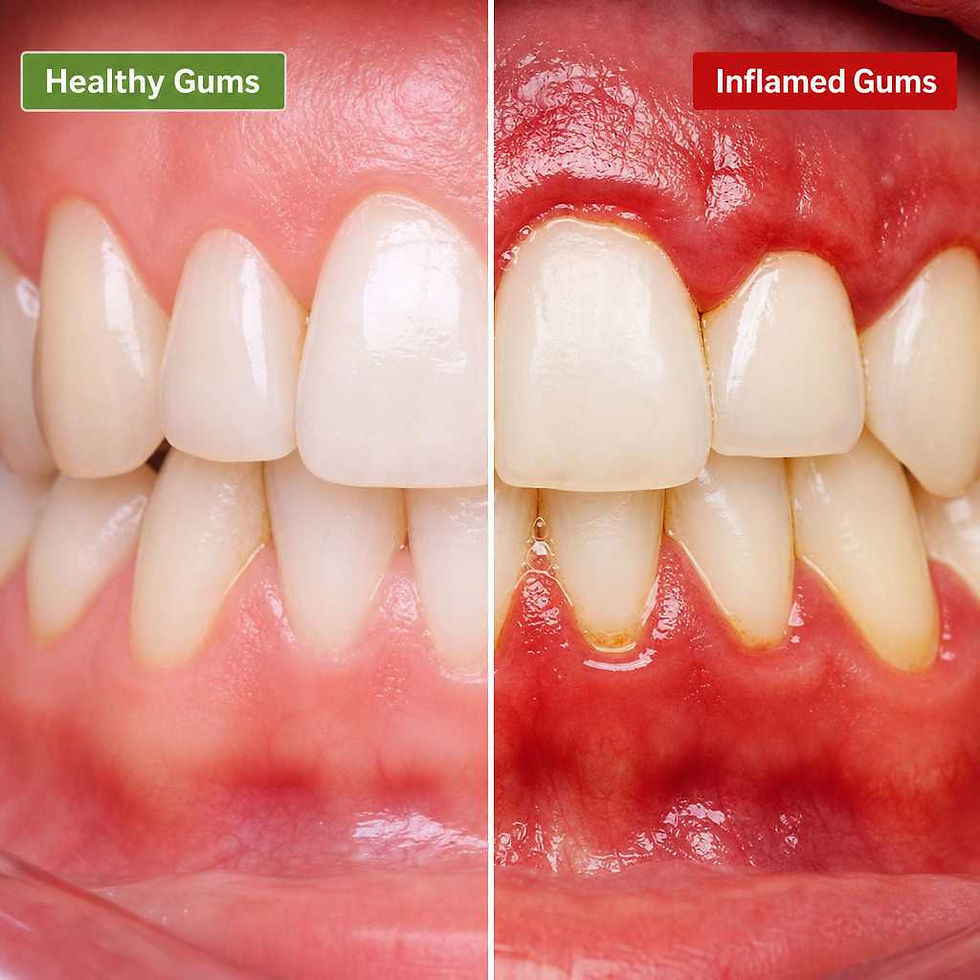
Advanced Periodontal Disease
Gum disease that has progressed to the point of significant bone loss will leave teeth loose and unstable. Once a tooth has lost more than 50 percent of its supporting bone, extraction followed by a bone graft is often the better long-term investment than trying to save a tooth that will fail within a year regardless.
Dental Trauma and Cracked Roots
A tooth cracked below the gumline, or a root fractured vertically, cannot be repaired with a crown or root canal. Dental surgery in St. John's for traumatic injuries is time-sensitive. Delaying treatment on a cracked root increases the risk of infection spreading to adjacent teeth and the surrounding jawbone.
Overcrowding Before Orthodontic Treatment
Orthodontic cases involving severe crowding sometimes require the strategic removal of one or more premolars before braces or Invisalign can create proper alignment. This is a planned, elective extraction rather than an emergency, and it is coordinated between the dentist and the orthodontic treatment plan.
Infection That Cannot Be Controlled
A dental abscess that has spread beyond the tooth and is not responding to antibiotics or root canal therapy requires extraction to eliminate the source of the infection. This is one scenario where a same-day emergency appointment is not just convenient but medically necessary.


Wisdom Tooth Removal in NL: A Special Case
Wisdom tooth removal in NL follows the same clinical principles as any extraction, but the procedure is almost always more complex because third molars are frequently impacted, meaning they are partially or fully trapped beneath the gumline or against the adjacent molar. This makes the surgery more involved and the recovery period longer than a standard extraction.
How Impaction Is Classified
Oral surgeons and dentists use a grading system to describe impaction: soft tissue impaction, partial bony impaction, and full bony impaction. Full bony impaction requires the most involved surgical approach, including bone removal. The position of the wisdom tooth, whether it is angled toward the adjacent molar, growing sideways, or pointing straight down, also affects the complexity of the procedure.
The Right Age for Removal
The data consistently shows that patients between 17 and 25 have the best surgical outcomes for wisdom tooth removal. At this age, the roots are not yet fully formed, the surrounding bone is less dense, and recovery is faster. Waiting until wisdom teeth cause active pain or damage often means a more complicated extraction and longer healing time. At Stavanger Dental, panoramic X-rays during routine checkups allow the team to monitor wisdom tooth development and recommend removal at the optimal time.
Signs That Removal Cannot Wait
Pain at the back of the jaw, swelling around the gum flap covering an erupting wisdom tooth (called pericoronitis), recurring headaches, and shifting of adjacent teeth are all signs that wisdom tooth removal should be scheduled promptly rather than monitored further. These symptoms indicate that the tooth is already creating problems that will not resolve on their own.
"Third molar management is one of the most studied areas in oral surgery. The evidence consistently supports early, planned removal over reactive treatment once complications develop." - Canadian Dental Association clinical guidance on third molar management
What to Expect Before Your Extraction Appointment
A well-prepared patient heals faster and has fewer complications. The pre-extraction appointment at Stavanger Dental includes a clinical examination, digital X-rays, and a conversation about your medical history. This is not a formality. Certain medications such as blood thinners, bisphosphonates, and some immunosuppressants can directly affect both the procedure and healing, and they need to be disclosed and managed before treatment begins.
Medical History Review and Medications
Patients on anticoagulants like warfarin or newer blood thinners may need their prescribing physician consulted before surgery. Patients who have taken bisphosphonate medications for osteoporosis face a small but real risk of a complication called osteonecrosis of the jaw, which must be discussed openly before any oral surgery. Transparency about your full medication list is not optional here.
Sedation Planning
If dental anxiety is a factor, sedation options should be discussed at the pre-operative appointment, not the day of surgery. Stavanger Dental offers sedation options to ensure the procedure is manageable. Knowing in advance which type of sedation is appropriate for your case allows the dental team to prepare properly and allows you to arrange transportation home if needed.
Pro tip: Arrange for someone to drive you home if you will be receiving sedation, and plan to take the following day off work regardless of how straightforward your extraction is expected to be. Recovery is always more comfortable when you are not managing work obligations simultaneously.
The Extraction Procedure: Simple vs. Surgical
There are two categories of extraction: simple and surgical. Understanding the difference removes a significant amount of pre-procedure anxiety because patients often imagine the worst-case scenario regardless of which type they are having.
Simple Extraction
A simple extraction is performed on a tooth that is fully visible above the gumline. After local anesthetic is administered, the dentist uses an elevator instrument to loosen the tooth in its socket, then forceps to remove it. The procedure itself typically takes less than 20 minutes once the area is numb. Patients feel pressure and movement but not pain. If you feel pain during a simple extraction, you communicate that immediately and more anesthetic is administered. That is not a failure of the procedure; that is exactly how it is supposed to work.
Surgical Extraction
Dental surgery in St. John's for impacted or broken teeth requires a more involved approach. The dentist or oral surgeon makes a small incision in the gum tissue, may remove a portion of bone around the tooth, and sometimes sections the tooth into pieces to allow removal with less force. Sutures close the site afterward. The procedure sounds more intimidating than it feels under local or sedation anesthesia.

Recovery and Aftercare After Dental Surgery
The first 24 to 72 hours after extraction are the most critical for healing. The blood clot that forms in the socket is not an inconvenience. It is the foundation of the entire healing process. Dislodging it leads to dry socket, the most common complication of extraction, which causes severe pain and delays healing by days or weeks.
What You Must Avoid in the First 48 Hours
Do not smoke, drink through a straw, spit forcefully, or rinse aggressively. All of these actions create suction or pressure that can dislodge the blood clot. Alcohol should also be avoided, as it interferes with blood clotting and can interact with any prescribed pain medication.
Managing Swelling and Discomfort
Swelling peaks around 48 hours after extraction and then gradually subsides. Applying an ice pack in 20-minute intervals during the first day helps reduce swelling significantly. Over-the-counter ibuprofen manages inflammation more effectively than acetaminophen alone for most patients. If your dentist prescribes antibiotics, complete the full course even if you feel fine after two days.
When to Call the Office
Increasing pain after the third day rather than decreasing pain, a foul taste or odor from the socket, fever, or swelling that is spreading toward your neck are all signals to call Stavanger Dental immediately. These are not situations to manage with over-the-counter medication and patience.
Pro tip: Eat soft foods like yogurt, scrambled eggs, and mashed potatoes on the side of your mouth opposite the extraction site for the first 72 hours. Chewing on the extraction side before the clot has stabilized is one of the most common causes of post-operative complications that patients bring on themselves accidentally.
Extraction vs. Alternatives: How to Choose
The decision between extracting a tooth and attempting to save it with a more involved restoration is not always straightforward. Cost, prognosis, timeline, and the patient's overall oral health all factor in. Below is a comparison of the three most common clinical decision points that families at Stavanger Dental face when a tooth is seriously compromised.
Option
Best Suited For
Key Consideration
Root Canal + Crown
Tooth with infected or dead pulp but intact root structure and adequate surrounding bone
Higher upfront cost than extraction alone, but preserves the natural tooth and avoids bone loss at the site. Long-term prognosis is excellent when the tooth structure is sufficient.
Extraction + Dental Implant
Tooth that is unrestorable or has a poor long-term prognosis even with a root canal
Implants are the closest functional and aesthetic replacement for a natural tooth. Bone grafting at the time of extraction preserves the implant site. Total treatment time is 4 to 12 months depending on healing.
Extraction Without Replacement
Non-visible tooth (such as a lower second molar) where bite function is minimally affected, or when budget constraints are significant
Bone loss at the empty socket begins within weeks. Adjacent and opposing teeth will shift over time. This option requires understanding the long-term consequences and monitoring at regular checkups.
In practice, extraction followed by a dental implant is the most functional long-term solution when a tooth cannot be saved. However, the decision must be individualized. A patient who is medically complex, has limited budget, or is elderly with minimal functional impact from a missing molar may reasonably choose extraction without replacement. What is not reasonable is making that decision without a full understanding of the downstream effects on adjacent teeth and jaw bone density.
Frequently Asked Questions
How long does a tooth extraction take in St. John's?
A simple extraction typically takes 20 to 40 minutes including preparation and post-procedure instructions. A surgical extraction, such as removing an impacted wisdom tooth, may take 45 to 90 minutes depending on complexity. The majority of that time is preparation and anesthesia administration. The actual removal is often much shorter than patients expect.
Does tooth extraction hurt?
With proper local anesthetic, you should feel pressure and movement but not pain. If you feel pain at any point, you tell the dentist immediately and more anesthetic is given. Post-procedure discomfort for the first 24 to 48 hours is normal and manageable with ibuprofen in most cases. Patients who use sedation report feeling very little of the procedure at all.
How much does tooth extraction cost in St. John's, and does insurance cover it?
The cost varies based on whether the extraction is simple or surgical and whether general anesthesia or sedation is involved. Stavanger Dental accepts the Canadian Dental Care Plan, which covers eligible patients for a range of dental procedures including extractions. The front desk team can review your specific coverage before treatment so you understand your out-of-pocket costs in advance.
How soon can I get a dental implant after extraction?
In some cases, an implant can be placed the same day as the extraction, which is called immediate implant placement. In most cases, the socket requires 8 to 16 weeks of healing before implant placement. If a bone graft was required, the timeline extends to 4 to 6 months. Stavanger Dental can coordinate your implant treatment plan as part of the extraction consultation so you know exactly what the timeline looks like from day one.
What is the difference between a simple extraction and oral surgery?
A simple extraction removes a fully visible, accessible tooth using forceps after loosening it with an elevator instrument. Oral surgery involves incisions in the gum tissue, possible bone removal, and sometimes sectioning the tooth to remove it in pieces. Impacted wisdom teeth, broken teeth with roots below the gumline, and teeth with curved or fused roots all require the surgical approach. Both can be performed comfortably under local anesthetic, with sedation available for patients who prefer it.
Can I eat normally after a tooth extraction?
Not immediately. For the first 24 to 48 hours, stick to soft foods that require no chewing at the extraction site. By day three to five, most patients can tolerate slightly firmer foods. Full normal eating typically resumes within one to two weeks for simple extractions and two to four weeks for surgical extractions. Avoiding hard, crunchy, or sharp foods near the healing socket during this period prevents reopening the wound and disrupting the healing clot.
Have you recently had a tooth extracted or been told you might need one? Share your experience or questions below so we can address what matters most to patients going through this in St. John's.


Comments